
Gators Rivalries in 2026 are not simply a list of familiar opponents. They are a test of what survives when conference scheduling changes, venue construction alters tradition, and Florida tries to maintain a recognizable football identity while the SEC changes around it.
The 2026 schedule kept two anchors that matter deeply to Florida supporters: Georgia and Florida State. It also removed two series that had shaped autumns in Gainesville for decades: Tennessee and LSU. That combination makes the season a useful case study in rivalry preservation. Some games kept their emotional weight. Others became absent enough to feel newly scarce. A few newer or less traditional matchups gained more attention because the calendar created room for them.
How Gators Rivalries Changed In 2026
Why Gators Rivalries Feel Less Automatic
The clearest shift is that familiarity can no longer be assumed. Florida did not have Tennessee on the 2026 calendar for the first time since 1990, and Florida also did not face LSU, ending an annual run that had extended every season since 1971, according to The Washington Post’s reporting on the SEC’s move to nine conference games SEC rivalry changes.
The shift does not erase Gators Rivalries, but it changes their rhythm. Tennessee and LSU were not just competitive entries on a schedule; they were reference points for measuring Florida’s place in the conference. Removing those annual games reduces repetition, which can weaken week-to-week familiarity. It can also raise the value of the next meeting, because a paused rivalry often returns with more accumulated memory than a game played every fall by default.
This is where the SEC’s structure matters. A nine-game conference schedule gives the league more inventory and more combinations, but it also forces choices. Florida’s old annual framework could not remain fully intact once the conference expanded and scheduling priorities shifted. For a state school whose identity has long been built through regional contests, the 2026 calendar is a reminder that rivalries are shaped as much by administrative design as by emotion.
The Annual Games That Still Hold The Line
Florida still had continuity where it mattered most to many supporters. Georgia remained on the schedule, and Florida State stayed in its late-November place. Kentucky and South Carolina also remained part of Florida’s protected annual SEC structure in the research notes, giving the Gators a stable set of recurring league opponents even as Tennessee and LSU paused.
That balance is not perfect, but it is meaningful. Georgia provides the SEC measuring stick. Florida State provides the in-state finale. Kentucky and South Carolina keep familiar divisional-era texture, even as the conference no longer functions in the same old East-West form. For Gainesville, that means the season still had recognizable tension points, just not the same ones older fans could recite from memory.
The Georgia Move And Local Fan Planning
Atlanta Replaced Jacksonville For 2026
The Florida-Georgia game was set for October 31, 2026, at Mercedes-Benz Stadium in Atlanta rather than Jacksonville, because EverBank Stadium was undergoing major renovations. Florida’s official schedule announcement also listed Florida State at Doak Campbell Stadium on November 28, 2026, Campbell in Gainesville on September 12, and Oklahoma in Gainesville on November 7 Florida’s 2026 schedule.
The Georgia venue change is more than a map adjustment. Jacksonville has long carried the social routine of that rivalry: split fan bases, annual travel patterns, and a weekend economy shaped by two universities meeting in a neutral setting inside Florida. Moving the game to Atlanta in 2026 shifted that center of gravity closer to Georgia’s home base. That does not decide the game, but it changes the fan experience and the travel math.
For Florida families, alumni chapters, student groups, and local businesses accustomed to Jacksonville, the move required a different plan. Hotel inventory, road trips, flight options, and ticket distribution all carried new assumptions. The game still remained neutral-site in format, but neutrality is not only about stadium designation. It is also about access, distance, habit, and the sense of shared territory around the venue.
What The Move Says About Tradition
The Georgia game’s temporary relocation shows how traditions often depend on infrastructure. A rivalry can feel timeless, yet its staging depends on stadium conditions, contracts, city support, and athletic department revenue. The research notes point to financial considerations as part of the reason the schools accepted alternate neutral-site arrangements for 2026 and 2027. Without adding claims beyond that, the larger point is clear: rivalry games carry cultural value, but they also operate inside practical budgets.
That reality can be uncomfortable for fans who treat rivalry weekends as civic rituals. Jacksonville’s absence from the 2026 edition did not make Florida-Georgia less significant, but it did make the event feel less rooted in its usual Florida setting. For a program with statewide reach, that matters. Rivalries help connect Gainesville to alumni in Jacksonville, Tampa Bay, Orlando, South Florida, and the Panhandle. Venue shifts redistribute that connection, at least for a season.
What The Paused Series Say About Gators Rivalries
The Tennessee and LSU absences may be the strongest evidence that the 2026 season was a rivalry reset rather than a normal rotation. Tennessee had been part of Florida’s SEC identity since the divisional era turned the matchup into a recurring early-season test. LSU carried a different flavor: cross-division tension, frequent high-stakes games, and a long annual streak that made the matchup feel permanent until it was not.
The absence also changes how Gators Rivalries are discussed inside the community. Younger fans may experience Tennessee and LSU as occasional conference events rather than annual emotional checkpoints. Older fans may view the pauses as a loss of continuity. Both reactions can be true. A schedule can create fresh variety and still weaken the shared calendar language that helps fans across generations remember seasons the same way.
For players, the change matters in a different way. Rivalry games are often where roster development is judged in public. A young quarterback, edge rusher, or defensive back can earn lasting credibility in a rivalry setting because the stakes feel sharper and the opponent is known. Fewer annual rivalry games mean fewer repeated tests against the same programs, which can make year-to-year player comparisons less direct.
Nontraditional Games Add New Pressure Points
Oklahoma In Gainesville Stood Out
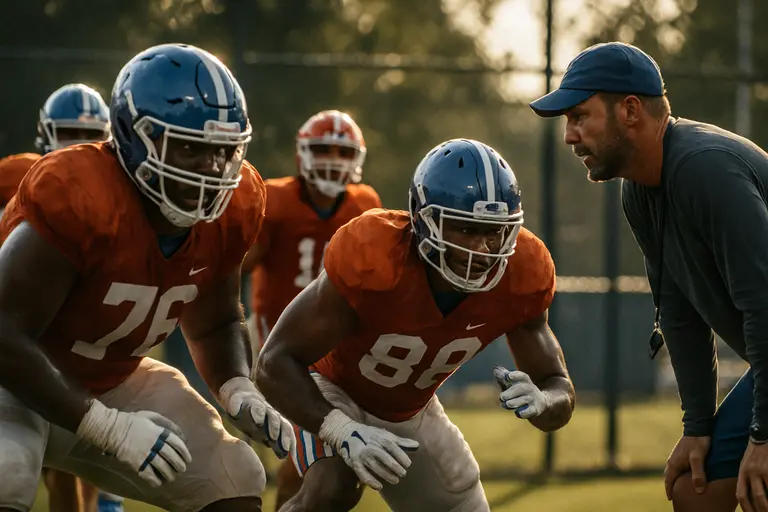
Florida’s November 7, 2026, home game against Oklahoma carried a different type of importance. The research notes identify it as the first meeting between the programs as SEC conference opponents and the first in Gainesville. That is not a rivalry in the inherited sense. It is a conference expansion matchup with the potential to become more meaningful if repeated games produce shared stakes.
That distinction matters. Rivalries are not created by branding alone. They need frequency, consequences, and memorable moments. Oklahoma’s visit offered a stage for Florida to measure itself against one of the SEC’s newer members, but it would take repeated meetings and competitive tension before the game could approach the emotional weight of Georgia, Florida State, Tennessee, or LSU.
FAU And Campbell Framed The Home Slate Differently
The September 5, 2026, date with Florida Atlantic and the September 12, 2026, home game against Campbell served another purpose. FAU brought an in-state element, with the research notes listing it as the fifth football meeting between Florida and Florida Atlantic. Campbell represented a first-time visitor to Gainesville. Neither carried the traditional rivalry profile of Florida State or Georgia, but games like these still affect the local sports calendar.
In-state games can matter to families, high school coaches, and regional recruiting conversations, even when the series history is limited. A Gainesville game against an in-state opponent gives more Florida players, families, and alumni a point of connection. That does not make FAU a core rival, but it does place the game inside the state’s football ecosystem rather than outside it.
What The 2026 Rivalry Reset Means For Florida
Gators Rivalries in 2026 showed that tradition is durable but not fixed. Georgia remained central, even in Atlanta. Florida State retained its season-ending position in Tallahassee. Tennessee and LSU were absent, which interrupted familiar rhythms and gave the calendar a noticeably different shape.
The cautious read is that Florida did not lose its rivalry identity in 2026. Instead, the program had to carry that identity through a less familiar structure. The strongest rivalries still had dates, places, and consequences. The paused ones became reminders that conference expansion can change habits that once felt permanent.
For the Florida community, the practical effects were just as real as the emotional ones. Travel shifted. Jacksonville lost its usual Florida-Georgia role for the year. Gainesville gained a first SEC visit from Oklahoma. The late-November trip to Tallahassee kept the state rivalry at the center of the closing weekend. Those details are not side notes; they are how supporters experience a season.
The 2026 schedule made one point clear: a rivalry’s significance is not only measured by how long it has existed. It is measured by whether fans, players, coaches, and communities still organize meaning around it when the calendar changes. By that standard, Florida’s season offered a rivalry resurgence of a different kind: fewer automatic traditions, more pressure on the ones that remained, and a clearer view of how much scheduling decisions shape college football memory.