
Gators recruiting success has become more than a rankings story for Florida. As of September 28, 2026, the better question is whether the program can turn a high-end 2027 class, stronger retention habits, and upgraded development expectations into players who stay, grow, and contribute in Gainesville.
From a scouting view, the first number that matters is not just the star count. It is the fit between a prospect’s current traits and the program’s ability to improve them over two or three years. Florida’s recent recruiting rise gives the staff more raw material, but it also raises the standard for coaching, strength development, academic support, position planning, and honest depth-chart management.
The local impact matters as well. A stronger Florida program can change how high school players, seven-on-seven coaches, trainers, and families view the pathway from Friday nights to SEC football. That does not mean every prospect in the state will stay home. It does mean the Gators have placed themselves back into conversations where player development, not just early playing time, can carry weight.
Why Gators recruiting success Needs A Development Lens
What Gators recruiting success Shows In The Rankings
On June 2, 2026, Florida’s 2027 class ranked No. 5 nationally in the Rivals team rankings, with 18 commitments, 13 prospects rated four-star or better, and three players inside the national top 100, according to On3’s Florida recruiting report. That is a strong public marker for head coach Jon Sumrall’s staff, but rankings alone do not establish a finished roster.
The value of Gators recruiting success depends on whether those players fill clear roster needs. A class heavy on premium positions can set up two or three seasons of stability. A class built only on headline names can still leave thin spots if offensive line depth, defensive front rotation, or developmental quarterback planning falls behind. The available research supports the ranking surge, yet it does not prove that every position group has been solved.
Why Fit Matters More Than The Announcement
A commitment is the start of evaluation, not the end. Florida’s staff still has to project how a 17-year-old body changes, whether a player’s production came from scheme or transferable traits, and how quickly a prospect can handle SEC practice demands. In Florida recruiting, that evaluation often starts with speed, frame, multi-sport background, and verified competition level.
For youth coaches and high school programs across the state, this is where the ripple effect appears. If the Gators reward development traits instead of only camp buzz, local staffs can teach players to value footwork, film habits, recovery, and classroom consistency. That is healthier for the player pool than a cycle built only on social-media attention.
Retention As The First Player Development Test
The Portal Changes The Meaning Of A Good Class
The transfer portal has changed how scouts should read recruiting wins. Signing a highly rated player matters less if the program cannot keep him through the first hard depth-chart year. The AP reported in 2025 that Florida’s 2023 class remained mostly intact while coaches around the country were racing to improve retention during the NIL, revenue-sharing, and portal era; Billy Napier also stressed retention as a key part of roster continuity in that AP report on roster retention.
That point still applies under the current Florida discussion because development is rarely linear. A freshman may need a redshirt year. A defensive back may need special teams snaps before meaningful rotation work. A lineman may need two full offseasons before he can hold up against older SEC players. If a program loses too many of those players before the payoff stage, recruiting rankings become expensive churn.
What Retention Says To Recruits And Families
Retention sends a message to families in Tampa, Miami, Jacksonville, Orlando, the Panhandle, and Southwest Florida. It says the school has a plan after signing day. That plan should include position-specific coaching, academic support, nutrition, strength work, leadership habits, and a realistic conversation about playing time.
For scouts, the cautious read is this: Florida appears better positioned if it can pair recruiting momentum with patience. The program does not need every blue-chip freshman to start right away. It needs enough players to accept development roles, compete without leaving at the first setback, and become older contributors. That is how a class can move from a rankings win to a roster win.
Pipeline Impact Beyond Gainesville
How Local Programs Could Benefit
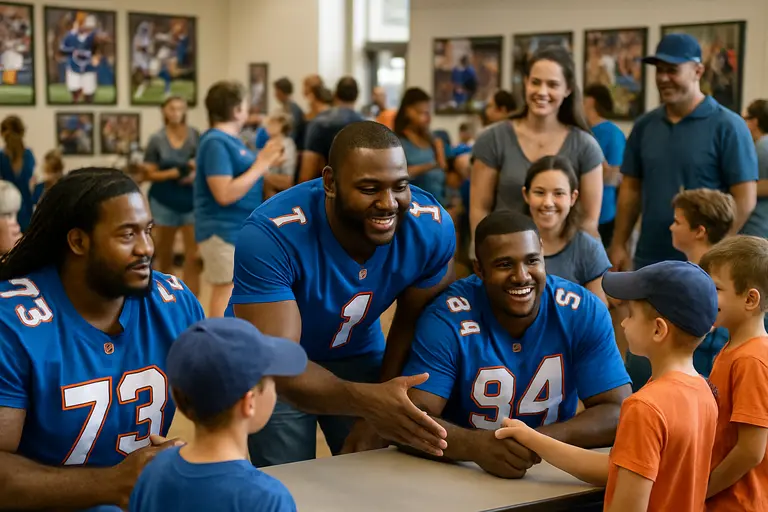
Florida high school football already produces national-level talent, but the college pathway is competitive. The Gators’ current recruiting position can benefit local programs if it leads to more consistent evaluation visits, stronger relationships with high school staffs, and clearer feedback for underclassmen. A player who is not a five-star prospect still needs honest guidance on frame development, camp selection, position projection, and academic preparation.
This is where Florida football recruiting becomes a community topic, not just a college football topic. A serious SEC recruiting push can bring attention to local gyms, school weight rooms, assistant coaches, and 7-on-7 circuits. That attention can help players, but it can also create pressure. The best programs will separate long-term development from short-term publicity.
- For high school players: verified speed, durable practice habits, and position flexibility remain safer signals than highlight-only evaluation.
- For families: retention history and development plans deserve as much attention as depth-chart promises.
- For local coaches: stronger communication with college staffs can help players understand where they fit before recruitment peaks.
Why Rankings Should Be Read With Care
Recruiting rankings are useful because they organize information, compare classes, and identify where staffs are winning battles. They are not a substitute for player tracking. A class can rank high because it has many commitments early. Another class can rank lower and still hold a better positional balance. Florida’s June 2, 2026 standing was significant, but it should be treated as one checkpoint in a longer process.
For Gators fans, the right question is not whether the class looked strong on announcement day. The right question is how many of those players become reliable second-year and third-year contributors. That is where strength staff decisions, practice reps, scout-team standards, and bowl-prep development periods often carry more meaning than public rankings.
What Gators recruiting success Means For Florida Development
The Scout’s Read On The Next Step
For Gators recruiting success to matter beyond 2027 headlines, Florida has to show a repeatable development system. That means identifying which freshmen can play early, which players need protected growth time, and which position groups require transfer help without blocking high school signees who are close to breaking through.
There is reason for measured optimism because the research points to two useful signs: a nationally visible 2027 recruiting class and a broader sport-wide emphasis on retention. Still, caution is needed. A top-five ranking in June does not guarantee signing-day finish, health, depth, or production. Player development is judged over semesters, offseasons, and competitive snaps.
The local stakes are clear. If Florida develops this class well, more in-state families may see Gainesville as a place where players can mature rather than simply arrive. If the program relies only on star power, the transfer era can expose weak planning quickly. The next proof point will not be another graphic or verbal commitment. It will be whether Florida turns recruited talent into dependable players who stay in the program, raise the practice standard, and give the state’s youth pipeline a credible model to follow.