Florida NIL legislation has moved from a recruiting talking point to a daily operating issue for college athletic departments, high school programs, athletes, families, and local sports communities. The latest set of Florida rules does not create one simple system. It touches athlete compensation rights, financial education, agent oversight, high school welfare support, and eligibility debates. For teams across the state, the practical question is no longer whether name, image, and likeness activity exists. It is how programs can support athletes without crossing compliance lines or creating uneven access between schools.
As of October 5, 2026, the safest reading is cautious: Florida has protected NIL activity in statute, but many surrounding issues remain unsettled. Colleges must account for graduation-linked education requirements. High schools face new reporting and consent duties for coach-funded welfare assistance that became effective on July 1, 2026. Lawmakers have also examined athlete representation rules, especially for high school student-athletes. For local fans, the effect may show up less in box scores than in roster retention, recruiting trust, family decision-making, and the resources available around athletes.
Florida NIL Legislation Sets The Baseline
What Florida NIL Legislation Protects
Florida Statutes section 1006.74 states that a student-athlete has the right to control and profit from the commercial use of their name, image, and likeness, while also protecting against unauthorized appropriation or commercial exploitation Florida NIL statute. That is the core provision shaping college athlete compensation in the state. It gives athletes a defined interest in the value tied to their public identity, which can include appearances, endorsements, social media activity, camps, and other approved commercial uses.
For Florida college teams, this right changes the support structure around athlete development. A productive guard, quarterback, pitcher, sprinter, or volleyball player may now have a sports workload, academic workload, and commercial workload. Coaches may not control every part of that third category, but they will feel the effects if an athlete is overextended, poorly advised, or unclear about obligations. The best-run programs will likely treat NIL education as part of player development rather than as a separate administrative task.
Where Athletic Decisions Still Matter
The same statute also says covered educational institutions are not liable for damages to an athlete’s NIL compensation that result from decisions routinely made in intercollegiate athletics section 1006.74. In sports terms, that matters. Playing time, depth chart movement, position changes, travel roster decisions, and coaching strategy can affect an athlete’s visibility. The statute recognizes that ordinary team decisions cannot be treated as guaranteed compensation events.
That distinction protects competitive decision-making, but it does not remove pressure from coaches. A local star who signs a deal and then sees reduced minutes may raise questions from family, sponsors, or outside advisors. The legal line may be clearer than the locker-room conversation. Programs will need consistent communication, written policies, and an athlete-first education model to reduce conflict. The sports impact is direct: a team with clear expectations may be better positioned to keep focus on training, roles, and performance.
Financial Education Becomes A Team Issue
Workshops As Player Development
Under section 1006.74, Florida college athletes must complete two workshops before graduation, with each workshop lasting at least five hours. The statute identifies financial literacy, life skills, and entrepreneurship as the focus areas. Required subjects include budgeting based on full or partial grant-in-aid, debt management, available academic resources, and time management. That requirement may sound administrative, but its sports value is clear.
For many athletes, college is the first setting where public attention, travel, academics, and income opportunities arrive together. A workshop on budgeting tied to grant-in-aid can help an athlete compare scholarship support, NIL income, taxes, rent, meals, transportation, and family needs. Time management content may matter just as much. If a softball player or defensive back is managing classes, practice, recovery, study hall, travel, and sponsor deliverables, poor scheduling can become a performance issue.
This is where Florida NIL legislation reaches beyond contracts. It pushes schools to prepare athletes for decisions that may follow them after their playing careers. Local colleges with limited staff may face a heavier lift than larger athletic departments, especially if they have to coordinate workshops across several sports. Still, the rule gives every athlete a baseline exposure to financial topics that were often handled informally in the past.
Community Impact Around Campus
Florida’s college towns and metro campuses could also see a more organized NIL economy. Local restaurants, training facilities, apparel shops, youth camps, and community events may be interested in athlete partnerships. The risk is uneven information. A family-owned business may not understand school policy. A freshman may not understand contract terms. A coach may not know what has been promised outside the team facility.
The workshop requirement does not solve every issue, but it creates a common starting point. If athletes understand budgeting, debt, academic resources, and schedule discipline, local deals are more likely to support development instead of distracting from it. For fans, that may mean more athlete visibility in the community, but with guardrails that help keep the sport experience centered on preparation and competition.
High School Rules Add Local Pressure
Coach Support Since July 1, 2026
Florida’s K-12 sports environment also changed on July 1, 2026, when Senate Bill 178, known as the “Teddy Bridgewater Act,” took effect according to the research provided. The measure allows K-12 athletic coaches to use up to $15,000 of personal funds per sport per year for student-athlete welfare, including food, transportation, or recovery services. The assistance must be reported to the Florida High School Athletic Association and cannot be used for recruiting.
The community need behind that policy is easy to understand. Transportation and meals can affect whether a student can stay with a team, attend practice, or recover properly after competition. In many Florida communities, high school coaches already serve as organizers, mentors, and problem-solvers. The new rule creates a defined pathway for welfare support, but it also creates compliance responsibilities.
Consent And Competitive Balance
The research also states that coaches using personal funds under SB 178 must obtain written parental consent before assistance is provided, and each athletic team may have only one head coach using these funds for welfare assistance annually. Those details matter because high school athletics depend on trust. Families need to know what support is being offered, why it is being offered, and how it is being reported.
From a competitive standpoint, the rule may raise local questions. Programs in wealthier communities could have coaches with greater ability to provide assistance. Smaller schools may welcome the welfare option but struggle with administrative tracking. The recruiting restriction is meant to separate student support from roster building. Enforcement will decide whether that separation holds in practice.
Representation Proposals Could Affect Recruiting
Agent Fees And Advisor Access
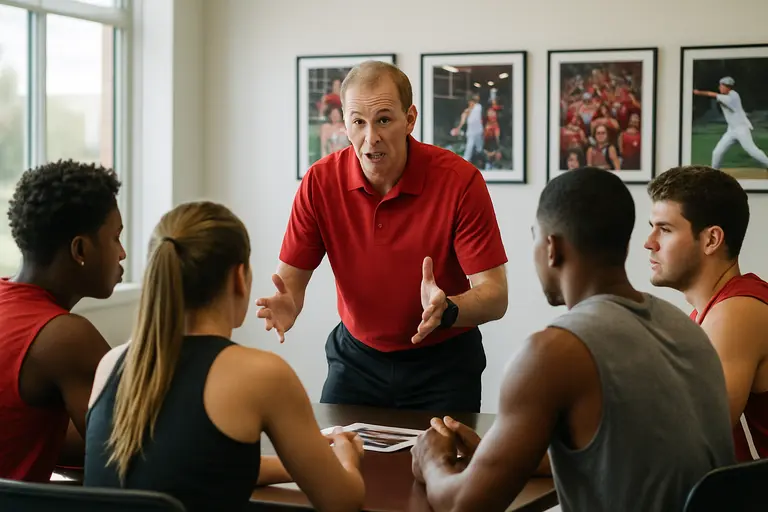
House Bill 981 from 2025, titled “Athlete Representation and Compensation,” was analyzed as a proposal that would cap the percentage an athlete agent may receive from an athlete’s NIL deals, restrict requirements for high school NIL compensation registration, and allow high school student-athletes to consult licensed advisors about NIL contracts HB 981 analysis. Because the research identifies it as a bill analysis rather than an enacted law, it should be treated as a policy signal, not as a settled rule.
For recruiting, the direction is still significant. If Florida tightens agent compensation rules or clarifies advisor access, families may gain more confidence in early NIL conversations. That could matter for prospects who are weighing in-state college options against out-of-state programs. A clear advisor framework may help athletes ask better questions before signing any deal. It may also reduce the risk of a young athlete agreeing to terms that do not match the real value of their time or public profile.
College Programs And Roster Trust
Recruiting is not only about facilities, uniforms, and conference schedules. It is about whether athletes and families believe a school can support the full college experience. NIL rules now sit inside that trust calculation. A school that can explain Florida NIL legislation, workshop duties, advisor boundaries, and routine team decision protections may have an advantage over a program that treats those questions as afterthoughts.
There is also a retention angle. Transfer decisions can be influenced by playing time, academics, coaching changes, and commercial opportunity. In April 2025, Florida joined a multi-state consent judgment with the NCAA that allowed prospective and transferring Division I student-athletes to negotiate and sign NIL contracts before enrolling at a university without penalties, according to the research notes. That development increased the need for consistent communication before an athlete arrives on campus.
Why Florida NIL Legislation Matters In Florida
Local Sports Identity And Athlete Support
Florida NIL legislation matters because the state’s sports identity is built across many levels at once: high school Friday nights, college rivalries, Olympic sports, youth development, and local business support around campuses. NIL policy now connects those layers. A high school athlete may first encounter contract talk before graduation. A college athlete may need structured financial education. A local business may want to support a player but need clearer expectations. A coach may have to separate welfare support from recruitment pressure.
The near-term outlook is not fully settled. The research notes that a State University System task force, as of August 4, 2026, proposed that Florida pursue participation in multistate NIL agreements and seek a federal antitrust exemption for the NCAA to establish uniform eligibility and pay caps. That proposal signals concern that state-by-state rules have become hard for schools and athletes to manage. Whether that effort leads to a broader policy shift remains uncertain.
For Florida teams, the practical standard should be steady and evidence-based: document support, educate athletes, protect routine coaching decisions, and communicate clearly with families. For athletes, the central opportunity is control over personal value. For communities, the challenge is making sure that opportunity strengthens local sports rather than creating confusion around eligibility, recruiting, or team culture. The statute gives the foundation; the daily work will happen in athletic departments, classrooms, locker rooms, booster conversations, and family meetings across Florida.