
FSU strong performance now means more than a cleaner box score. As of October 5, 2026, Florida State had opened with a 34-17 home win over New Mexico State on August 29, then lost 27-24 to SMU on September 7 and 50-36 to No. 10 Alabama on September 19, leaving the Seminoles at 2-2 with 128 points scored and 101 allowed, according to the Sports Reference schedule. The next stretch matters because it shifts the program from early-season measurement to ACC positioning, rivalry pressure and Tallahassee’s weekly sports rhythm.
The research set lists Virginia on October 3 as Florida State’s first ACC matchup. Because that date had already passed by October 5 and the supplied notes do not include a final score for that game, this analysis does not assign a result beyond the stated early-October record and conference context. That caution matters. Florida State’s season should not be judged by assumptions, especially with Louisville on October 9, Miami on October 17, Clemson on October 31, Pittsburgh on November 13, NC State on November 21 and Florida on November 27 still forming the most revealing part of the schedule.
How FSU strong performance Shapes The ACC Chase
The 2-2 Start Needs Context
A 2-2 record can point in several directions. For Florida State, the point differential through the supplied games was still positive at plus-27, yet the 101 points allowed showed why the coming ACC games carry pressure. Scoring 32.0 points per game, as listed in the research notes, suggests the offense had enough production to keep the Seminoles competitive. The defensive profile was less settled, especially after Alabama scored 50 in the September 19 game.
That does not mean the season had already tilted away from Florida State. It means the margin for error had narrowed. A team with a positive point differential but visible defensive stress is often judged by whether it can adjust before rivalry games turn isolated weaknesses into defining themes. For FSU, that adjustment period was not abstract. It was tied to a schedule with road rivalry weight at Miami and home tests against Clemson and NC State.
FSU strong performance Starts With Defensive Answers
The clearest football question is not whether Florida State can score enough to stay in games. The early scores suggest it can. The sharper question is whether the defense can reduce explosive damage, sustain stops late in halves and protect home-field value against conference opponents. Against SMU, the three-point margin showed competitiveness. Against Alabama, the 50 points allowed showed the cost of letting a top opponent control too much of the game state.
A FSU strong performance over the next several dates would likely be defined less by headline yardage and more by situational control: third-down stops, red-zone resistance and fewer possessions where the opponent answers immediately after a Seminoles score. The research notes do not provide turnover data, snap counts or injury details, so any claim beyond the scoring record would be speculation. The verified scoring pattern is enough to show why defensive progress is central.
Rivalry Tests Carry Local Weight
Miami And Clemson Measure ACC Identity
Florida State’s October 17 road game at Miami carries the kind of in-state and conference meaning that tends to outlive one Saturday. The research identifies Miami as an arch-rival and places that game at Hard Rock Stadium. Even without leaning on unsupported projections, the stakes are clear: a road rivalry win would steady the conference path, while a loss would put heavier pressure on the back half of the ACC schedule.
The October 31 Clemson game in Tallahassee is another legacy marker. Florida State’s official ACC opponent release lists FSU with a 21-17 all-time lead over Clemson and a 12-7 home mark in the series through the referenced period, according to the FSU opponent announcement. Those numbers do not guarantee anything on October 31. They do explain why the game carries symbolic weight: Clemson is not just another league opponent, and Tallahassee’s home advantage has been part of the series story.
NC State And Florida Close The Argument
The November 21 home game against NC State and the November 27 finale against Florida form a late-season argument about where the Seminoles stand. The research notes identify NC State as a pivotal ACC matchup for postseason positioning. It also lists Florida State’s favorable home record against NC State at 16-6, which places added responsibility on protecting Doak Campbell Stadium when the schedule tightens.
The Florida game is different because it reaches beyond ACC math. It affects state pride, alumni conversation, recruiting perception and how the year is remembered by households split between garnet and gold and orange and blue. A FSU strong performance in that Friday finale would not erase earlier losses by itself, but it could reshape the tone of the offseason and the public reading of progress. In Florida college football, rivalry outcomes often become shorthand for program direction, even when the full schedule tells a more layered story.
Tallahassee Impact Beyond The Standings
Home Dates And Travel Patterns
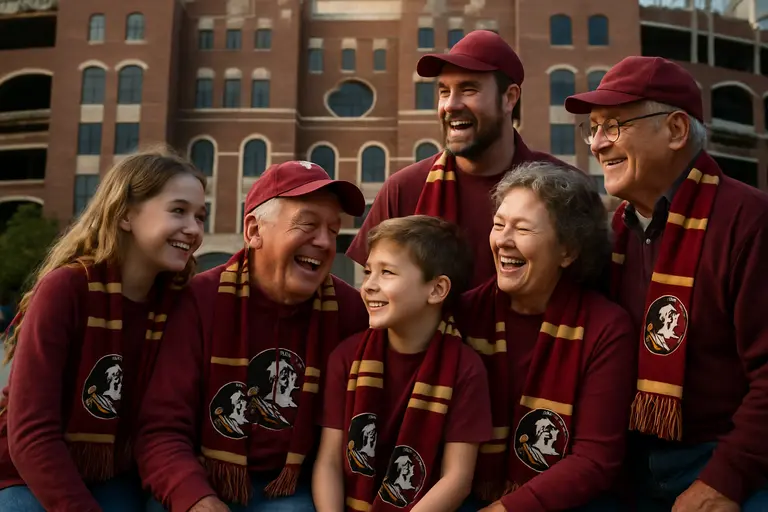
Florida State’s home schedule matters to Tallahassee because college football weekends influence far more than stadium attendance. Restaurants, hotels, campus traffic, family visits and student routines all shift around kickoff windows. The supplied research does not provide local economic figures, so it would be irresponsible to attach a dollar estimate. Still, the connection between home football dates and community activity is visible in any college town, and Tallahassee is no exception.
Clemson on October 31 and NC State on November 21 stand out because they combine football stakes with local planning demands. Halloween weekend with a Clemson visit can place extra strain on traffic and event timing. A late-November ACC home game can affect travel plans for families and alumni. In that sense, performance matters because meaningful games tend to keep local attention high. Empty hype does not carry a town for long; competitive stakes do.
Recruiting And Player Development Signals
The research notes identify recruiting, fan support and national perception as areas influenced by rivalry performance. That should be treated as a directional point rather than a player-specific claim, because the notes do not include prospect names, commitment lists or visit data. Still, the logic is sound within college football. Recruits and high school coaches often judge programs through development signs: whether young players earn snaps, whether the team responds after losses and whether rivalry games show discipline under pressure.
For Florida State, FSU strong performance across October and November would offer evidence that the program can absorb early setbacks and still compete with recognizable opponents. That matters in the Florida and Southeast recruiting footprint, where Miami, Florida, Clemson and other regional programs all shape the conversation. Strong play does not secure a class on its own. Poor play in major rivalry windows can make the sales pitch harder.
Why FSU strong performance Matters In Tallahassee
The importance of the coming stretch is best understood through connected stakes. The Seminoles are not only trying to improve a record. They are trying to reduce defensive concerns, protect home-field standards, stay relevant in the ACC race and carry credibility into rivalry dates that shape local memory. The ACC Championship Game on December 5, 2026, is only relevant if Florida State qualifies, so the responsible frame is conditional: each league result either keeps that path open or narrows it.
By October 5, the season had already supplied both promise and warning. The New Mexico State win gave Florida State a clean opening result. The SMU and Alabama losses showed that competitiveness without enough defensive control can still become a standings problem. What comes next is not about slogans. It is about whether Florida State can turn home-field history, rivalry urgency and improved execution into results that match the program’s expectations in Tallahassee.