
Gators Youth Sports became a sharper local conversation after Florida beat No. 4 Ole Miss 52-28 at Ben Hill Griffin Stadium on September 26, 2026, a result that moved the Gators to 4-0 and gave the program its first win over a top-five opponent in six years, according to the athletic department’s Florida-Ole Miss recap. That score did more than reset expectations for a college football team. In Gainesville and across Florida, wins like this can change the way young athletes, parents, and coaches talk about effort, development, and what a college sports pathway might look like.
There is a cautious line to hold here. A major Gators win does not automatically create a measurable youth sports boom. Registration data from local leagues, camp operators, and school programs would be needed before anyone could prove a direct spike. Still, the ingredients that influence youth participation were visible on September 26: a packed college environment, clear offensive identity, local media attention, and young players seeing a state university produce a defining SEC result.
Gators Youth Sports Impact After Ole Miss
Gators Youth Sports Signals For Coaches
For youth coaches, the most useful part of Florida’s win was not only the final margin. It was the repeatable football message behind it. Florida rushed for 302 yards against Ole Miss, and tailbacks Jadan Baugh and Duke Clark each topped 100 rushing yards, with Baugh at 142 and Clark at 126. The same recap reported that it was the first time since 2022 that two UF backs cleared 100 rushing yards in the same game.
That kind of performance gives local coaches a teaching point that is easier to show than to explain. Young backs can see that production came from shared carries, blocking, patience, and physical consistency. Youth football can drift toward highlight chasing, especially after a high-profile win. The better lesson from Florida’s ground game is that team structure made individual numbers possible.
What The Ground Game Shows Young Players
After four games in 2026, Florida’s offense was averaging 54.0 points and 544.3 total yards per game, per the same official game recap. Those numbers matter locally because they shape how young athletes interpret success. A child watching Florida in late September did not just see one explosive play. They saw an offense that, through four games, had built a statistical identity around production and pace.
For Gators Youth Sports, the coaching takeaway should be careful rather than loud. Youth programs should not try to copy a college offense play for play. They can borrow the principles: clear assignments, shared workload, conditioning, and teaching athletes to value the less visible work that creates yards. That is where a college result can become useful at the community level.
Participation Data Frames The Opportunity
Florida’s 51.3 Percent Participation Rate
The broader youth sports picture in Florida leaves room for growth. The National Survey of Children’s Health data brief reported that Florida’s 2023-24 youth sports participation rate for children ages 6-17 was 51.3%, below the national average, according to NCBI Bookshelf. That figure is the clearest data point for understanding why college sports visibility matters, but it also warns against easy claims.
A Florida win over Ole Miss can inspire a child to ask about football, volleyball, soccer, track, or another sport. It can push a parent to revisit a fall camp or school team. Yet participation depends on cost, transportation, safety, coaching access, school support, and family time. If those pieces are missing, even the loudest Saturday in Gainesville will not be enough.
Why Visibility Alone Is Not A Plan
The practical Gators Youth Sports question is not whether kids notice big wins. Many do. The better question is whether local sports systems are ready when that attention appears. If a child is motivated after seeing Florida’s September 26 result, the next step should be easy to find: a school contact, a recreation department program, a low-cost clinic, or a coach who can explain age-appropriate training.
That is where Gainesville has an opportunity. The Gators can supply the spark, but community organizations decide whether that spark becomes sustained participation. Strong local programs can use the moment to promote fundamentals, academic responsibility, and multi-sport development rather than early specialization or pressure.
College Wins And Local Athlete Identity
The Model Beyond The Scoreboard
A win of this size also affects how young athletes imagine themselves. Florida matched its entire 2025 win total during the first four games of 2026, based on the official recap. That context matters because young athletes often learn from turnaround stories. They see that a team can move from frustration to results through roster development, coaching changes, training, and execution.
There is value in that message for Gators Youth Sports, as long as adults keep it grounded. The lesson should not be that every child is on a path to SEC football. Most are not, and that is perfectly healthy. The lesson is that sport can reward improvement over time. A young lineman learning footwork, a runner building stamina, or a middle-school athlete trying a new position can connect with the idea of progress without needing to chase a college scholarship.
For readers tracking the broader Gainesville reaction to the same game, our local analysis of how the Ole Miss win reshaped Gainesville fits this community angle. The sports story and the civic story are linked, especially when a college result becomes a shared reference point for families, schools, and youth teams.
Community Effects Need Careful Measurement
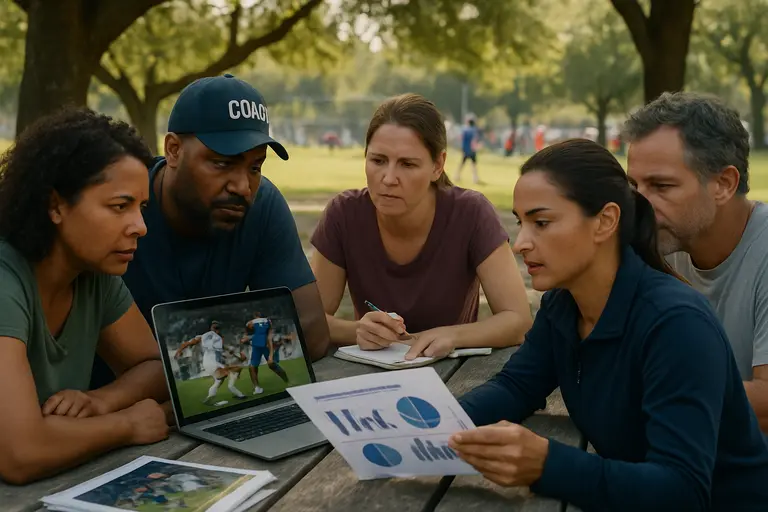
What Local Programs Can Track
Claims about increased youth interest after September 26 should be treated as preliminary unless local programs publish actual numbers. The supplied research notes pointed to increased calls and registrations after the Ole Miss win, but precise figures were not yet available. That uncertainty is not a weakness. It is a reminder that sports impact should be measured, not assumed.
Local leagues, school athletic departments, and camp organizers can track a few basic indicators after high-profile Gators wins:
- New inquiries by week, age group, sport, and ZIP code.
- Completed registrations compared with the same period in 2025.
- First-time participants versus returning athletes.
- Scholarship or fee-waiver requests tied to access barriers.
- Coach and volunteer sign-ups after major college football weekends.
Those numbers would help separate short-term attention from lasting participation. They would also show whether the effect reaches beyond football. A major college football result can lift interest in strength training, marching band, sports media, athletic training, and other school-based activities. The best community programs will watch for those wider signals.
Access Still Decides The Outcome
Gators Youth Sports does not mean every child needs to wear orange and blue or play football. It means Florida’s most visible college program can influence how families think about sport. The challenge is access. If participation costs rise, if transportation is limited, or if volunteer coaching is stretched too thin, the postgame energy fades before it reaches the children who could benefit most.
That is why local leaders should pair inspiration with practical steps. Schools can host information nights. Recreation departments can clarify registration windows. Youth coaches can hold beginner sessions that welcome late starters. Parents can ask whether a program teaches safe fundamentals and balanced development. These are not dramatic moves, but they are the ones that turn a Saturday result into community value.
Gators Youth Sports Lessons For Florida Communities
The September 26, 2026 win over Ole Miss gave Florida a signature football moment. The local youth sports meaning is more careful and, to me, more interesting. A top-five win can raise interest, create teachable examples, and give children a visible model of team growth. It cannot, by itself, solve Florida’s participation gap or guarantee more young athletes will stay active.
The strongest path is to use the moment with evidence. Celebrate the 52-28 result, study the 302 rushing yards, and let young athletes enjoy seeing Florida at 4-0. Then ask the harder community questions: Did more children get a chance to play? Were costs manageable? Did new families feel welcome? Did coaches teach the right lessons from what the Gators showed on the field?
If Gainesville and other Florida communities answer those questions with real data and practical support, the impact of the Gators’ recent wins can reach beyond the scoreboard. That is where college athletics can serve local sports education best: not as a promise of stardom, but as a clear, public example that preparation, structure, and opportunity still matter.