
The Gators Kentucky Matchup, scheduled for Saturday, November 14, 2026, at Kroger Field, arrives with Florida needing a practical response rather than a dramatic reset. The Gators lost 23-7 to Oklahoma on November 7, 2026, a result that exposed issues in drive sustainability, quarterback protection, field-position discipline and late-game defensive stamina. The task now is specific: clean up the repeatable errors before another SEC road test.
Florida’s loss to Oklahoma did not hinge on one failed series. It was shaped by a collection of stresses that fed one another. The offense produced 203 total yards on 47 plays, while Oklahoma ran 73 plays for 351 yards. That gap matters because it speaks to possession control, defensive workload and offensive rhythm. Florida’s official recap listed Oklahoma’s 23-7 win and included quarterback Tramell Jones Jr.’s 10-for-22 passing line for 133 yards with two interceptions, plus the impact of sacks on his rushing total Florida’s official recap.
Against Kentucky, the improvement plan should begin with what can be measured. Florida went 2-of-9 on third down against Oklahoma, while the Sooners converted 10-of-18. Florida ran 25 times for 70 yards, a 2.8-yard average that left too many passing downs in obvious situations. Those figures do not guarantee a repeat at Kroger Field, but they show where the Gators’ preparation should be most direct.
Gators Kentucky Matchup Starts With Third Down
Florida’s Offense Needs Manageable Distance
Third down is the hinge point for Florida this week. The season-long matchup data supplied in the research notes puts Florida’s offense in the 42-43% range on third-down conversions, a respectable figure nationally. Yet the Oklahoma game showed how quickly that edge can vanish when penalties, sacks and negative rushes move the sticks farther away. A team can be capable on third down and still fail if too many attempts become third-and-long.
That is where the opening script matters. Florida does not need every early run to break free, but it needs enough four- and five-yard gains to keep Kentucky’s defense from loading up on protection weaknesses. If the Gators can keep Jones in rhythm with quicker throws and cleaner early-down spacing, the third-down call sheet becomes wider. If they again fall behind the chains, the offense risks repeating the same cramped structure that Oklahoma punished.
Gators Kentucky Matchup Protection Check
For the Gators Kentucky Matchup, pass protection is less about one lineman winning every snap and more about how the whole offense handles pressure. Jones’ two interceptions against Oklahoma are part of the evaluation, but so is the context: sacks pushed his rushing total to minus-27 yards. That kind of lost yardage changes play selection, reduces fourth-down options and can make a quarterback speed up reads before routes fully develop.
Florida’s staff can help by building answers into the plan. Shorter drops, outlet throws, movement pockets and more reliable run-pass balance would help the quarterback avoid living in rescue mode. None of that removes responsibility from Jones, who still must protect the ball, especially near the red zone. But it gives a young passer a clearer structure in a road environment where communication and timing carry extra weight.
Protection And Possession After Oklahoma
The Run Game Has To Carry More Than Volume
Florida’s 25 carries against Oklahoma were not empty from a play-count standpoint, but 70 yards did not bend the game. A 2.8-yard average left the Gators without the kind of steady rushing threat that can settle a quarterback and slow a pass rush. The research notes point to a stronger early-season rushing profile for Florida, with more than 250 yards per game in the first four games before the recent drop-off. Because that trend is drawn from the supplied material, it should be treated as a directional signal rather than a stand-alone guarantee for Saturday.
What is clear is the football logic. A more consistent run game would help Florida shorten the game, reduce defensive snaps and create better third-down math. It would also give the Gators more control over field position, a concern after Oklahoma’s long possessions drained the defense. This is not a call for conservative play. It is a call for a ground game efficient enough to make the whole offense less predictable.
Stopping Long Drives Is A Community Issue, Too
Oklahoma’s 20-play, 89-yard scoring drive, which consumed nearly 13 minutes, was more than a box-score wound. It shaped the way the game felt for Florida’s sideline and for supporters watching from Gainesville. Long defensive series limit offensive possessions, reduce chances for younger contributors to settle in and place extra pressure on every later snap.
For local fans, these patterns matter because college football in Gainesville is not just a Saturday scoreboard. It affects campus energy, travel choices, alumni gatherings and the week-to-week conversation around player development. Florida’s defensive answer against Kentucky has to include better third- and fourth-down stops, tighter scramble control and enough early-down success to avoid slow attrition. That is especially relevant with Kentucky carrying a better turnover margin in the supplied matchup data.
Penalty Discipline And Red-Zone Choices
Fewer Flags Can Restore The Playbook
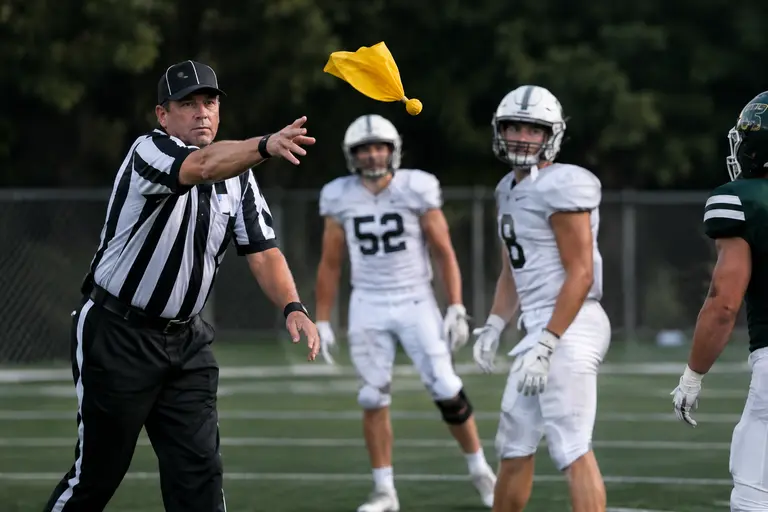
Penalties remain one of the least glamorous but most direct paths to improvement. The research notes list Florida at 71.1 penalty yards per game, while Kentucky sits around 42.8. Even if those numbers shift slightly by source, the gap points to a real concern: Florida has been giving away too many hidden yards. Yahoo’s postgame grading also pointed to damaging penalty moments and red-zone decision questions from the Oklahoma loss Yahoo’s report card.
Against Kentucky, a cleaner penalty profile would help in three ways. It would keep third downs shorter, preserve explosive-play chances and make fourth-down decisions less desperate. Holding and false-start issues are not abstract mistakes. They erase manageable downs and can turn promising drives into punts or hurried throws.
- Offense: stay out of penalty-driven passing downs and protect Jones with clearer early reads.
- Defense: finish third-down snaps and avoid extending Kentucky drives through avoidable mistakes.
- Special teams and field position: reduce hidden-yard swings that force the offense to travel farther.
Red-Zone Decisions Need A Cooler Hand
Florida also has to treat scoring chances with more care. The Oklahoma game included red-zone frustration and a debated fourth-and-2 choice rather than a field-goal attempt, according to the supplied research and the Yahoo grading piece. That does not mean Florida should become passive near the goal line. It means the decision should reflect score, time, field position, quarterback rhythm and the offense’s recent success rate in short yardage.
For the Gators Kentucky Matchup, red-zone discipline may be the clearest separator between a competitive road performance and another missed opportunity. If Florida’s defense can create one takeaway or force a shorter field, the offense has to convert that swing into points. Field goals are not always satisfying, but after a 23-7 loss, empty possessions are the larger concern.
Why The Gators Kentucky Matchup Matters In Gainesville
The Gators Kentucky Matchup carries weight beyond the standings because it tests whether Florida can turn a poor offensive showing into a sharper weekly process. This is where player development becomes visible. Jones does not need to erase the Oklahoma tape; he needs to show better protection of the football, quicker recognition and steadier command when the pocket moves. The offensive line does not need a perfect afternoon; it needs fewer breakdowns that create drive-killing losses.
Florida’s staff also has to protect the defense through game management. Oklahoma’s 73 offensive snaps placed strain on the unit, and Kentucky will benefit if Florida repeats that possession pattern. Better offensive efficiency, fewer penalties and more competitive third-down defense are connected goals, not separate chores.
This late-SEC stretch was already flagged as a pressure point in our 2026 SEC schedule analysis, and the Oklahoma result only sharpened that point. For Gainesville, a better performance at Kroger Field would offer evidence that the program can correct problems under stress. That is the reasonable standard for November 14, 2026: not perfection, but measurable repair.