
Jaguars Roster Cuts landed in Jacksonville on August 30, 2026, as more than a football transaction sheet. The club reduced its roster to 53 players roughly two weeks before the 2026 regular season opener, and those decisions changed how fans, small businesses, youth players, and neighborhood storytellers could attach names and expectations to the team. Roster math is unavoidable in the NFL, but in a one-team NFL market like Jacksonville, the final cutdown also trims personal connections that have been built through special teams snaps, preseason appearances, community events, and years of patient roster work.
The evidence from the team’s own announcement is clear on scale. Jacksonville waived 25 players, released nine veterans, waived/injured two more, placed two on reserve/injured, and traded tight end Hunter Long on August 30, 2026, according to the club’s roster announcement. That volume matters locally because it is not just a depth chart correction. It is a reset in visibility. Some players had been around long enough to become familiar names even without star billing, which is often how legacy forms in Jacksonville sports culture.
What Jaguars Roster Cuts Changed In Jacksonville
Jaguars Roster Cuts And The 53-Man Limit
The NFL cutdown process is built for competitive clarity, but the Jacksonville reaction tends to carry a local layer. The Jaguars did not simply move on from camp bodies. The released group included long-tenured wide receiver Tim Jones, who had appeared in 53 games across five seasons, and Austin Trammell, who had appeared in seven games over two seasons. Those figures do not describe household-name stardom, but they do explain why some roster moves register with fans who follow preseason, special teams, and the lower half of the depth chart.
That is where the community impact begins. A player who survives several cycles in Jacksonville becomes part of the weekly rhythm for a portion of the fan base. Supporters see him at camp, remember a third-down route from a preseason game, or connect his name with a local event appearance. When that player is released, the team may improve its roster balance, yet a small thread of continuity is cut. The effect is difficult to quantify, and the available 2026 data does not measure fan sentiment in a verified way. Still, the roster facts show that some departures involved players with more than brief exposure to the city.
The Timing Before The Opener
The timing sharpened the effect. Because the August 30 moves came roughly two weeks before the 2026 regular season opener, the community had little space to adjust its public-facing storylines. Youth players who had started following a depth receiver, reserve quarterback, or developing draft pick had to reset quickly. Local media segments, merchandise displays, and fan conversations moved from roster hope to roster reality in a compressed window.
This matters in Jacksonville because the Jaguars’ civic footprint is not spread across a crowded major-league field. The team carries a large share of the city’s pro sports identity. That does not mean every released player had a major public profile. It means the final roster is one of the main ways the city organizes its football attention before the first meaningful game.
Legacy Players And Local Identity
Why Fringe Veterans Can Matter
Legacy in football is often attached to Pro Bowlers, playoff performers, and rivalry-defining plays. Jacksonville’s reality is broader. Players on the back end of the roster can become symbols of persistence, especially when they last through several seasons. Tim Jones’ 53 games over five seasons are relevant for that reason. His release removed a player with enough tenure to be recognized by committed followers, even if his role did not dominate national broadcasts.
The same principle applies to veterans who occupied depth roles. Nick Mullens, who backed up Trevor Lawrence last season, was released on August 30, 2026. Backup quarterbacks are rarely the center of a franchise’s identity, but they sit in a key leadership corridor: meeting rooms, sideline communication, practice tempo, and mentorship for younger players. The research available does not prove how much leadership was lost with Mullens’ exit. It does support a cautious reading that veteran turnover can change who younger players hear from daily.
Chuma Edoga and DeeJay Dallas show the same pattern from different roster lanes. Edoga played 14 games with two starts in 2025, while Dallas appeared in three games that year. Their exits were not just administrative. They reflected how quickly depth roles can turn over, even for players who had already contributed in regular season settings. In a city that prizes persistence after years of uneven franchise results, that kind of churn can feel sharper than it might in a less emotionally invested market.
Roster Turnover, Youth Pathways, And Mentorship
Drafted Players And The Development Story
Jaguars Roster Cuts also affected the development narrative around recent draft picks. The Jaguars waived Yasir Abdullah, a 2023 sixth-round pick who had played 29 games with three starts. They also waived Jack Kiser, a 2025 fourth-round pick who played 14 games as a rookie, and Jalen McLeod, a 2025 sixth-round pick who had been on injured reserve in 2025. Those decisions show how quickly a drafted-player storyline can narrow.
For local youth football, drafted players and young developmental players matter because they make the path feel visible. A first-round star can inspire from a distance, but a late-round pick or reserve who fights for a role can feel closer to the experience of high school and small-college athletes trying to be noticed. When those players leave, the team may be acting in its competitive interest, but the local story loses some of its developmental range.
Quarterback Depth And The Role Model Effect
The quarterback room also changed. Jacksonville waived undrafted rookie Joey Aguilar and waived/injured Carter Bradley on August 30. The club still had to make the roster fit the 53-man structure, but quarterback departures tend to attract extra attention because the position is the sport’s most visible classroom. Fans watch who gets preseason snaps, who stands near the starter, and who might become the next developmental project.
There is no verified public count of how many young fans connected with Aguilar or Bradley before the cutdown. A careful analysis should not pretend there is. What can be said is that each quarterback move narrowed the set of lesser-known players around whom fans could build early-season curiosity. That is part of the community cost of roster efficiency.
Business Signals Around Player Departures
Merchandise Risk After Familiar Names Leave
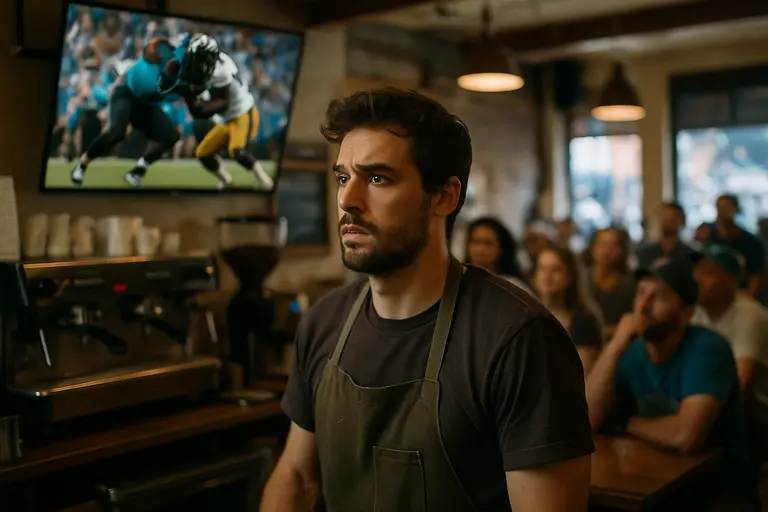
The business effect of Jaguars Roster Cuts is clearest in merchandise, where timing and name recognition matter. A local shop that stocked jerseys or player-specific items before final cuts carries risk when recognizable players leave. The 2026 releases did not include the same type of franchise headline as Leonard Fournette’s 2020 departure, but the older example is useful because local reporting showed fans and businesses felt the impact when Fournette left Jacksonville, according to News4Jax reporting.
That precedent should be used carefully. Fournette’s profile was higher than most of the players released on August 30, 2026, so it would be wrong to claim equal economic weight. The stronger point is structural: player movement can affect inventory, discounting, and customer demand. Even smaller-name departures can leave shops guessing which jerseys, shirts, or autograph-related items still carry local pull.
- Retailers may shift displays toward retained starters and newly promoted players.
- Youth coaches may update the names they use as examples of persistence and roster survival.
- Fans may redirect emotional investment from released veterans to new depth players.
- Local media may lose smaller continuity stories that had been built over multiple camps.
These are not dramatic claims of citywide economic damage. They are practical effects that fit what Jacksonville has seen before when recognizable Jaguars leave. The team’s roster decisions are competitive first, but the local market absorbs them in real time.
What Jaguars Roster Cuts Mean For Jacksonville
A Reset For Rivalry Memory And Season Identity
Jaguars Roster Cuts shape more than who dresses on Sundays. They influence which players are available to become part of the next rivalry memory, the next sideline image, or the next youth-camp reference point. Rivalries are often remembered through stars, but they are sustained by full rosters: special teams players, backup linemen, reserve receivers, and developing defenders who fill out the emotional record of a season.
For Jacksonville, the August 30, 2026 cutdown created a cleaner 53-man roster while thinning several human links built across prior seasons. The departures of Tim Jones, Nick Mullens, Chuma Edoga, DeeJay Dallas, Yasir Abdullah, Jack Kiser, Jalen McLeod, Joey Aguilar, and Carter Bradley each carried a different football meaning. Together, they showed how quickly a team’s internal competition becomes a city’s public adjustment.
The responsible reading is not that the Jaguars harmed the community by making necessary roster moves. Every NFL club faces the same cutdown pressure. The point is that in Jacksonville, where pro football is a central civic marker, roster cuts are felt outside the building. Jaguars Roster Cuts changed the names fans will talk about, the players young athletes can track, and the merchandise bets local businesses will make as the regular season approached.