
As of November 7, 2026, the FHSAA football playoffs are six days from the Classes 1A–6A regional quarterfinals, and the planning window is tight for teams, families, bands, cheer groups, and school staff. The official FHSAA football calendar required district play to wrap by Friday, October 23, 2026, and all regular season games to be completed by October 30, 2026 FHSAA football calendar. The postseason begins for Classes 1A–6A on Friday, November 13, 2026, while the Open Division starts pool play on the same date 2026 playoff dates.
That timing matters across Florida because high school playoff travel is not just a football operation. It affects late-week practice schedules, bus assignments, athletic training coverage, pep band availability, ticket communication, and classroom routines. A Friday kickoff can feel routine during the regular season, but postseason travel adds sharper deadlines. A school that draws a long road trip must handle equipment loading, meal planning, and family communication without assuming details will stay fixed.
FHSAA football playoffs Schedule And Local Readiness
Why The FHSAA football playoffs Start Date Matters
The November 13 start date gives coaches one full school week between the public bracket window and the first round. That is enough time to install opponent-specific work, but not enough time to repair weak logistics. Athletic directors need confirmed transportation, game contracts, sideline passes, and ticketing instructions before the middle of the week. In smaller communities, the same staff members often cover football operations, academic coordination, and event staffing, so early communication can reduce strain.
For local athletic directors, the FHSAA football playoffs schedule also affects practice rhythm. Teams that played a physical regular season finale on October 30 had a gap before postseason play, while teams with late open dates may have managed rest in a different way. The supported dates tell us the statewide window; they do not tell us how each roster handled recovery, travel load, or weather disruption. That uncertainty is worth stating because local context changes the way a playoff week feels.
What Families Should Confirm Before Friday
Families should treat the first-round week as a verification exercise. School announcements are the best place to confirm kickoff time, ticket process, parking instructions, and any bag or stadium policies. The research available for the statewide format establishes the major dates, but local venue rules can vary. A rural road game, a cross-county rivalry, and a Miami-area championship site all create different arrival patterns.
- Travel time: Account for Friday traffic, school dismissal, and team sendoff activity near campus.
- Ticket process: Use school or FHSAA-approved channels rather than screenshots shared in group chats.
- Student groups: Bands, cheer teams, and ROTC units may have separate arrival and credential instructions.
- Weather: Florida evenings can still bring rain delays, so schools should have a communication plan ready.
FHSAA football playoffs Format And Competitive Balance
Classes 1A–6A Stay In A Bracket Path
The traditional Classes 1A–6A format keeps a familiar single-elimination structure, with 32 teams per class divided across four regions, according to the published format notes. That setup places a premium on seeding, travel distance, and bracket position. A No. 1 seed may gain home-field benefits early, but a difficult regional path can still test roster depth. A lower seed may face a longer trip, yet one efficient game plan can change the week for an entire community.
Single-elimination football has a distinct pressure point: special teams and field position carry extra weight. A blocked punt, a short field after a turnover, or one failed red-zone trip can alter a season. Local teams that lean on defense and ball control may be comfortable in that format. Teams built around tempo and explosive plays need clean communication, especially on the road, where crowd noise and unfamiliar locker-room routines can disrupt timing.
The Open Division Changes The Planning Model
The Open Division is different. It includes eight top-rated schools, regardless of classification, split into two pools of four. Those teams play the other schools in their pool on November 13, November 20, and November 27, with the top two from each pool advancing to the semifinals. The Open Division makes the FHSAA football playoffs feel closer to a tournament schedule than a one-and-done bracket during the first three weeks.
That pool format changes coaching incentives. In a single-elimination bracket, survival is the only math that matters. In pool play, every result can affect the next week, and roster management becomes a larger story. Coaches must weigh injury prevention, special teams exposure, and late-game decisions with the knowledge that the schedule continues. For players, it creates a showcase environment against top-rated opposition. For college recruiters, the format can offer repeated high-level evaluation, though any recruiting impact should be judged by verified attendance and film review rather than assumption.
Championship Sites And Fan Travel Pressure
Miami Hosts The State Finals Window
The state championship games for Classes 1A–6A and the Open Division are scheduled for December 9–12, 2026, at South Dade Kia Field at Pitbull Stadium on FIU’s campus in Miami. For many Florida families, that means the final step of the postseason may involve weekday travel, hotel planning, time away from work, and coordination with school calendars. A championship trip is special, but it is also expensive and time-sensitive for households that need to plan around exams, jobs, and younger siblings’ schedules.
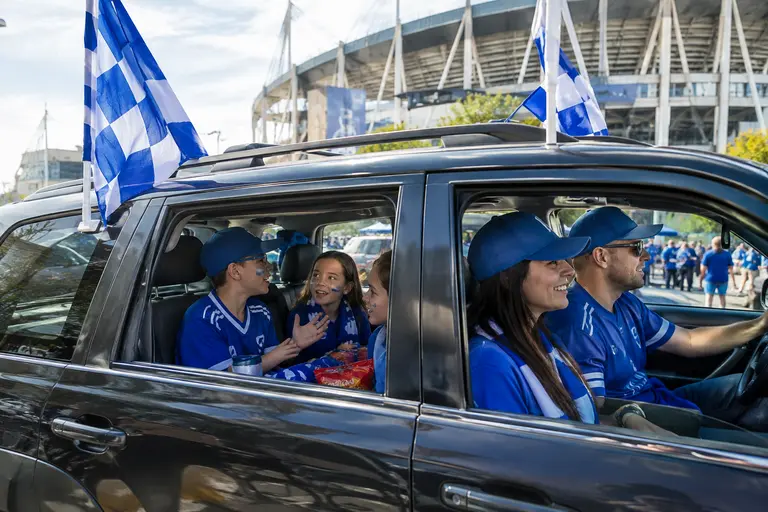
Miami also changes the fan experience. Parking, arrival windows, and campus access can feel very different from a regular season game at a neighborhood stadium. Teams that reach that stage should expect more formal event operations, tighter media procedures, and a larger neutral-site feel. That can reward programs with organized support staffs, but it should not diminish the community identity that got them there. Florida high school football still travels through booster clubs, family caravans, and local businesses that rally around a playoff run.
Sumterville Matters Before The Finals
The Open Division semifinals, along with the Independent League and Florida Invitational Tournament finals, are scheduled for December 3–5, 2026, at The Range at H.G. Morse Stadium in Sumterville. That site matters because it places another postseason destination in the travel map before the Miami championship window. For some programs, Sumterville may be a manageable in-state trip. For others, it can still mean long bus hours and added planning for meals, study periods, and postgame return times.
These venue details also show why postseason coverage should not focus only on final scores. A playoff run can affect concession volunteers, local restaurants, school spirit sales, and youth players who see older athletes compete under pressure. The same energy can carry into offseason participation. I have seen Florida communities treat a November win like a civic event, but the best coverage should keep that pride tied to verified schedules and real team performance.
Why Florida Playoff Logistics Matter Now
For communities, the FHSAA football playoffs are part competition, part planning test. Coaches have to prepare for opponent tendencies. Players have to protect their weekly routines. Athletic directors have to keep buses, tickets, officials, and stadium operations aligned. Families have to make practical choices without relying on rumors. That mix is why the next few days carry so much weight.
The smartest approach is cautious and simple: confirm details through the school, the FHSAA, and official team communication before making travel plans. Brackets, venues, and kickoff operations can carry local adjustments, so fans should avoid assuming that last week’s routine applies to November 13. For more on how eligibility and discipline decisions can affect postseason access, our prior analysis of FHSAA sanctions gives useful context for how off-field accountability can shape a football season.
Florida’s playoff map is now moving from projection to preparation. The teams that handle the week well will not just be the most talented; they will be the ones that communicate clearly, travel cleanly, and keep their sideline composed when the postseason pace tightens.